Never Send Money to Someone You Have Not Met
Never send money to someone you have not met. Learn which requests should make you stop, how to verify someone, and what to do if you already sent money.
If you've never met someone in person, don't send them money.
It doesn't matter if you've been talking for months, they seem trustworthy, or the reason sounds urgent. If someone you only know online asks you for money, stop before you send.
That one rule can help protect you from many common money scams, including romance scams, fake job offers, rental scams, and family emergency scams.
Already sent money? Skip to If you have already sent money below.
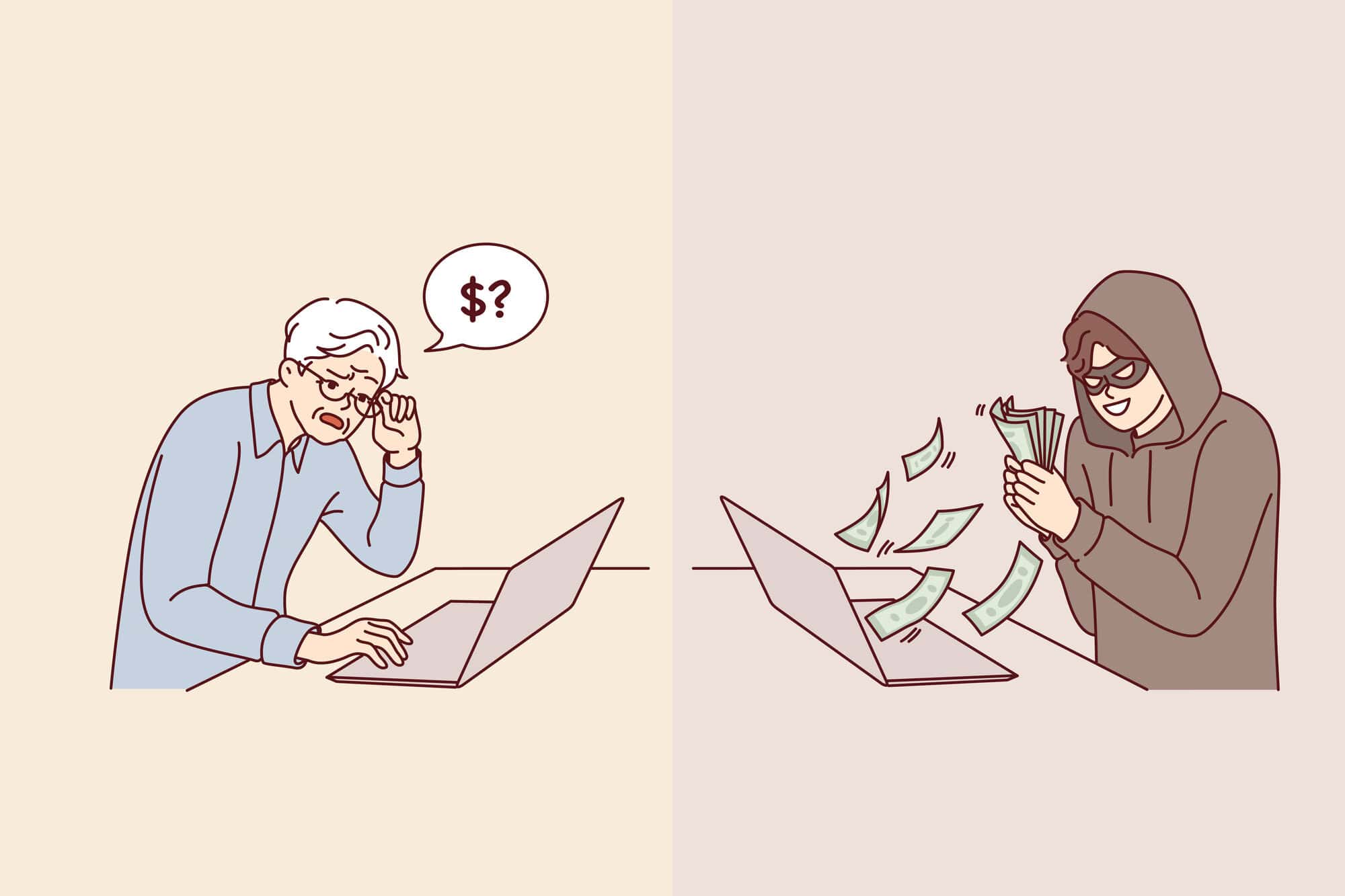
Never send money to someone you have not met in person.
Online profiles, messages, photos, and even calls aren't always enough to prove that someone is who they say they are. If money enters the conversation before you've independently verified the person, don't send it.
Take your time and check the situation another way first.
There is an important difference between a transaction you didn't authorize and one you authorized because someone deceived you.
In a scam, you may have personally approved the transfer while believing a false story about who was receiving the money or why they needed it. That distinction can affect what options are available afterward.
If a MoneyGram transfer was involved, you should also report fraud to MoneyGram. Whether a transfer can be canceled may also depend on where it is in the process. This is why verifying the person before you send is so important.
Once money is transferred and received it cannot be recovered and, unfortunately, you will be at a loss for any money transferred.
Some requests deserve extra scrutiny before any money changes hands.
You've been talking through a dating app, social media, text, or another online platform, but you've never met.
Now there's an emergency, travel problem, medical bill, or another reason they need financial help.
See how romance scams work for common warning signs.
Someone claiming to be a relative says they've been arrested, injured, or stranded and need money immediately.
They also tell you not to call anyone else.
Hang up and contact your family member directly using a phone number you already know.
See how family emergency and grandparent scams work.
You're told you've won a prize, received an inheritance, or qualified for a loan, but there's a fee that must be paid first.
The same pattern can appear when someone says money, a package, or another valuable item is waiting for you.
Don't send money simply to unlock money or a prize you've been promised.
You've found an apartment or home online, but the landlord can't meet you or show you the property.
You're told to send a deposit quickly because other renters are interested.
Verify the property and the person renting it before paying. See how to verify a landlord before sending a rental deposit.
A buyer, employer, or another person sends a check for more than expected.
The money appears in your account, and you're asked to send some of it somewhere else.
Don't assume that means the original payment is good. See how fake check and overpayment scams work.
A supposed employer sends you a check or payment and asks you to buy equipment, pay a vendor, or forward some of the money.
Stop before using your personal account to move the funds.
See how to spot a fake job offer.
A person tells you exactly how to send the money and becomes resistant when you suggest another option or say you want more time.
The payment method alone doesn't prove it's a scam, but the pressure around it is what matters.
If someone doesn't want you to slow down and verify the situation, don't send yet.
Stopping a payment doesn't mean you have to immediately decide that someone is a scammer.
It means you verify first.
Don't rely only on information the person gives you.
If someone claims to represent a company, contact the company through its official website or published phone number.
If they claim to be a family member, call that person on a number you already know.
If you're dealing with someone you've met online, remember that photos, documents, and online profiles can be copied or fabricated.
A real person's identity doesn't automatically prove that every request is legitimate.
If someone says they own a property, verify their connection to it. If they say they're a recruiter, verify the job through the company. If they say there's a family emergency, contact your family independently.
Ask yourself whether you've confirmed both who the person is and whether the reason for the payment is real.
Urgency is common in scams because it gives you less time to notice something is wrong.
You may be told an apartment will go to someone else, a family member needs help immediately, or a fee has to be paid today.
Don't let the person requesting money decide how much time you have to verify them.
Some transactions naturally involve professionals who can help establish who you're dealing with.
For example, a licensed real estate professional may be appropriate when arranging a rental remotely.
Use professionals you find and verify independently rather than someone selected only by the person requesting your money.
If you're unsure, show the messages or situation to someone who isn't involved.
Another person may notice a contradiction or warning sign that's harder to see when you're under pressure.
If someone asking for money specifically tells you not to discuss the situation with anyone else, that's even more reason to do it.
Sending money to a family member or friend you know is different from sending money to an online stranger.
The important question is whether you've verified that the person contacting you really is your family member.
A text saying "Mom, I lost my phone" isn't enough by itself. Neither is a familiar-sounding voice during an unexpected emergency call. If the request is unusual, contact your family member using a phone number you already know or check with another relative.
Families can also agree on a code word or phrase to verify unexpected emergency requests.
The point isn't to become suspicious every time someone you love needs help. It's to make sure the person asking really is the person you think you're helping.
If you sent money and now think you've been scammed, don't send anything else.
A person may claim that one more payment will fix the problem, release your money or allow you to get back what you've already sent. Stop there. Contact the company you used to send the money as soon as possible.
If your bank, card or another financial account was involved, contact that provider too.
Keep receipts, transfer information, messages, emails, phone numbers, usernames and other records connected to the transaction.
You can report suspected fraud to:
Be cautious if someone contacts you afterward and promises they can recover your money for a fee. Recovery scams can target people who have already lost money once.
If you've never met the person and haven't independently verified their identity, don't send them money.
A long conversation, online profile, photos, or video calls aren't substitutes for independent verification, particularly when the person starts asking for financial help.
It depends on the transfer and where it is in the process.
If you think a transfer is connected to a scam, contact the transfer provider immediately.
Once money is transferred and received it cannot be recovered and, unfortunately, you will be at a loss for any money transferred.
Verify them using information they didn't provide themselves.
Call a family member on a number you already know. Contact a company through its official website. Check a landlord's connection to a property independently.
Also verify the reason for the payment. Knowing someone's identity doesn't automatically make every request for money legitimate.
Time doesn't prove that an online relationship is legitimate.
Some scams develop over weeks or months specifically because trust makes a later request for money more convincing.
If you've never met the person and they ask for money, stop and verify the situation independently before sending.
An emergency is a reason to verify quickly, not a reason to skip verification.
If a family member supposedly needs help, contact them on a number you already know or call another relative.
If someone you've only met online has an emergency and asks you to send money, don't let the urgency replace verification.
Contact the company you used to send the money as soon as possible.
What options are available depends on how the money was sent and where the transaction is in the process.
Be cautious about paying anyone who promises they can recover lost money.
Yes. Reporting can provide information that may be useful when the same accounts, phone numbers, identities or payment details appear in other reports.
Reporting does not guarantee an investigation, arrest or recovery of your money.
You can report suspected fraud to the FTC, FBI IC3 and the company used to make the payment.
Save any information you have and include it when you report the scam.
Don't confront or continue communicating with someone simply to investigate them yourself. Give the information to the relevant provider or reporting agency instead.