How to Collect a MoneyGram Transfer in the Philippines
Collecting MoneyGram transfers in the Philippines? Learn what ID and information you need, where to pick up cash, and what to expect.
When someone sends you money from another country, you want to know where to get it, what to bring, and when it’ll be ready.
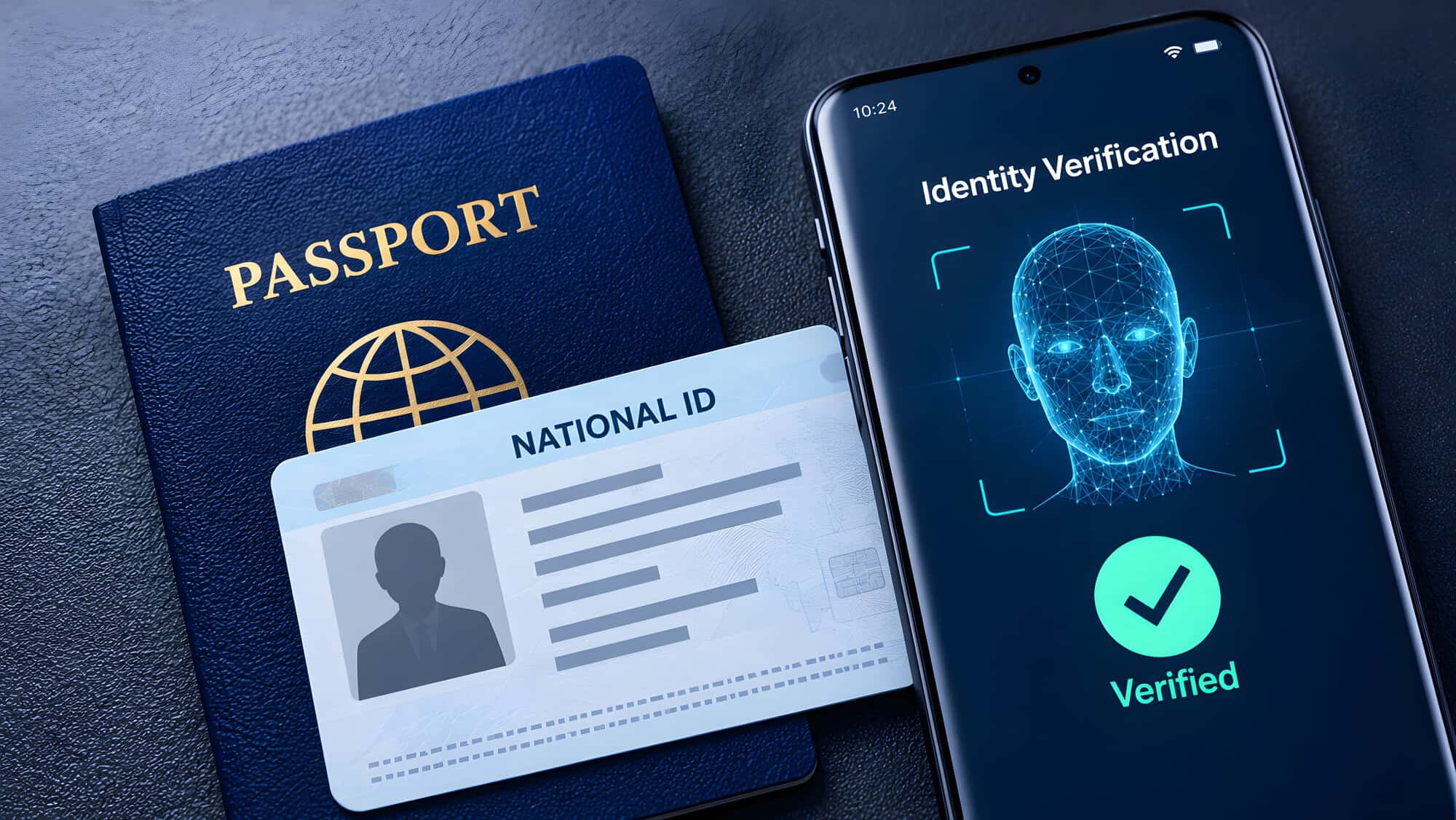
If you’re planning to receive money through MoneyGram in the Philippines, start with two things: the reference number from the sender and a valid government-issued photo ID.
Before heading out, check that the name on the transfer matches the name on your ID. It’s a small detail that can save you an unnecessary trip, especially when middle names or multiple surnames are involved.
Here’s what you need to know to collect a MoneyGram transfer in the Philippines.
For an eligible cash pickup, the recipient needs:
Without both, the agent cannot release the money.
Before heading to a location, double-check the reference number and compare the name listed as recipient with your ID that will be used for pickup.
Not sure which documents qualify? Check what ID your recipient needs before making the trip.
If the sender chose cash pickup, the recipient can collect an eligible transfer through one of over 44,000 participating MoneyGram locations in the Philippines.
MoneyGram may work with different types of payout partners, including retail networks, banks, and other financial service providers. Our longstanding partners include M Lhuillier, Cebuana Lhuillier, Palawan Express, and many more.
Use the MoneyGram location finder to find a MoneyGram location in the Philippines and check its details first.
Cash pickup also isn’t necessarily the only way to receive money. If the transfer hasn’t been sent yet, compare direct to bank, mobile wallet, or debit card transfers in the Philippines to see which of the available ways to receive money works best for the recipient.
Once you have the reference number and the right ID and find a participating location, here’s what to expect.
For more general information about the process, see receiving money with MoneyGram.
Many cash pickup transfers arrive instantly or within minutes.
The sender’s payment method and the payout method they selected can both affect timing. Money sent for cash pickup may have a different timeline from money sent to a bank account or eligible mobile wallet.
Before going to a location, track your transfer using the MoneyGram reference number.
Checking the status first can save the recipient a trip if the transfer is still processing or another step needs to be completed.
How much a recipient can receive may depend on the payout method being used.
Cash pickup, direct to bank, debit card, and mobile wallet transfers can have different limits or requirements. Individual payout partners may also have their own transaction limits.
If you’re expecting a larger transfer, check the applicable limits before heading to a cash pickup location.
Don’t assume a transfer above the available limit can simply be divided into smaller cash pickups. The requirements still apply, and another payout method may make more sense depending on the transfer.
A name mismatch can keep a recipient from collecting a cash transfer, even when it’s clear to the sender who the money was meant for.
The name on the transfer needs to match the recipient’s identification according to the applicable requirements.
Potential issues include:
If something is wrong, the agent can’t simply change the recipient’s name at the counter. Only the sender can correct the recipient information.
That makes it worth checking before the recipient leaves home.
When sending money, enter the recipient’s name exactly as it appears on the ID they plan to use for collection.
No. When money is sent from the US to the Philippines, the transfer may involve converting US dollars into Philippine pesos. The exchange rate used for that transaction can affect the final receiving amount.
Because fees and exchange rates can vary, use the current transaction details instead of relying on the cost or rate from a previous transfer.
If you’re the sender, you can review the current rate, fee and expected receiving amount when you send money to the Philippines.
If you get to a pickup location and the money isn’t available, start with the basics.
If everything looks right and the transfer still isn’t available, contact MoneyGram customer care. Have the reference number and transfer details ready so the support team can look into it.
If anyone asks you to send money back, share sensitive information or do something that doesn’t feel right, stop first. Learn how to spot a scam before taking another step.
For an eligible cash pickup, you need the MoneyGram reference number provided by the sender and a valid government-issued photo ID.
The name on the transfer also needs to match the identification you present according to MoneyGram’s requirements.
Eligible cash transfers can be collected from participating MoneyGram locations in the Philippines.
Use the MoneyGram location finder to find a participating location and check its available services and hours before going.
Use MoneyGram’s location finder to search for participating locations near you.
Check the individual location before traveling because services, opening hours and supported payout amounts can vary.
Mobile wallet is one of the available ways to receive money for eligible transfers in the Philippines.
If the transfer hasn’t been sent yet, compare the available payout methods before the sender chooses one.
Cash pickup may allow an eligible recipient to receive money without having it transferred into a bank account.
Depending on currently supported services, an eligible mobile wallet may also provide another option that doesn’t require a traditional bank account.
No. Cash transfers are sent to a named recipient, and identification is part of the collection process.
If the recipient’s name doesn’t meet MoneyGram’s identification requirements, the agent cannot simply correct it at the counter.
The sender will need to update the recipient information through MoneyGram before the transfer can be collected.
Use the MoneyGram reference number to check the transfer status online or in the app before traveling to a pickup location.
Availability depends on factors including how the sender paid and which payout method they selected.
Cash pickup is one way an eligible recipient may receive money in the Philippines. Direct to bank, mobile wallet, and debit card transfers may also be available depending on the transfer and MoneyGram’s currently supported services.
If the transfer hasn’t been sent yet, comparing the available methods can help the sender choose the option that works best for the recipient.