A surname is a family name shared by members of a family, usually passed down through generations. In many countries it comes last, but naming systems vary widely around the world. Understanding surnames matters for travel, paperwork, and sending money. Here is how surnames work across cultures.
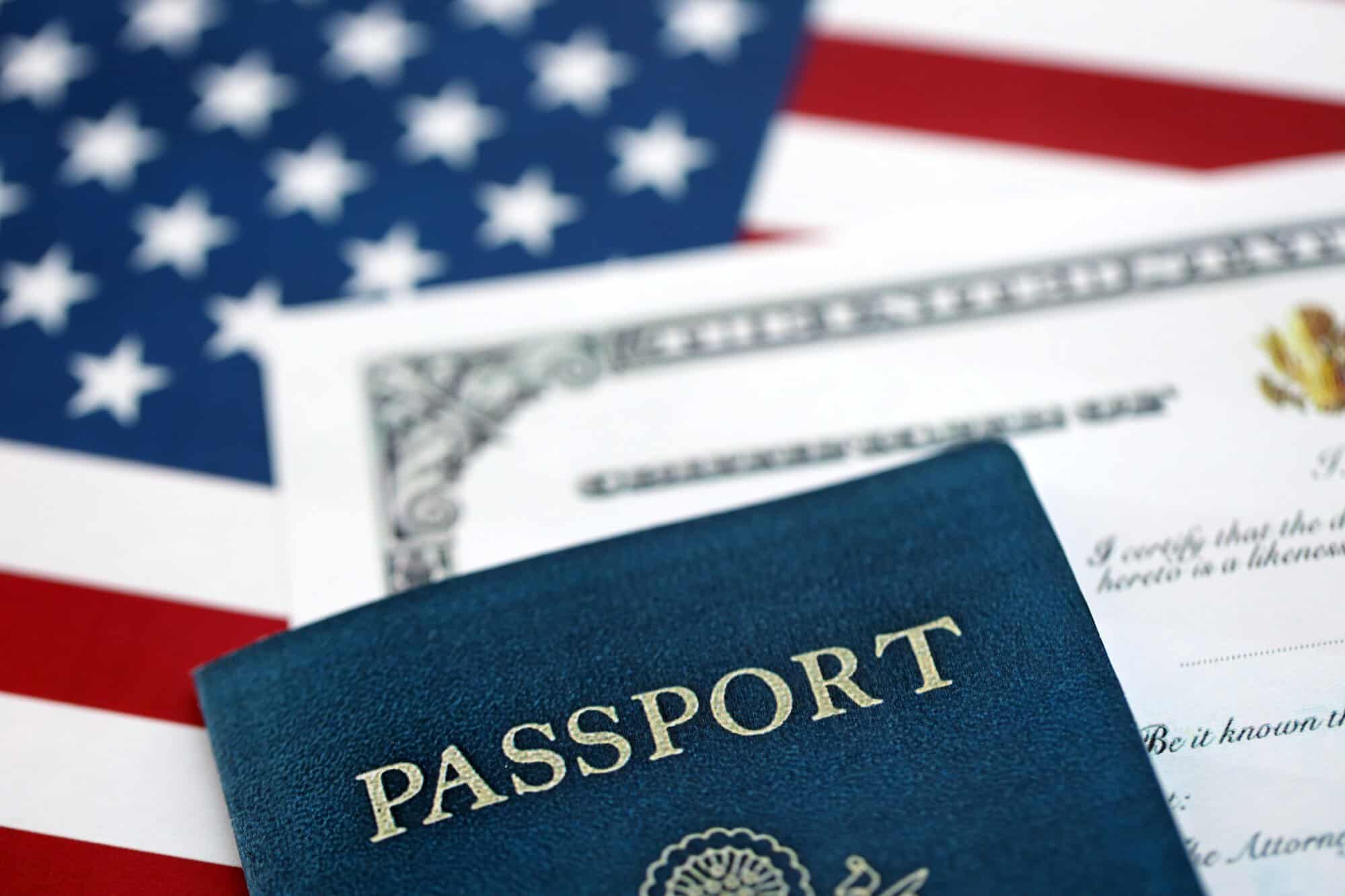
If you are a US citizen flying to Mexico, you need a valid US passport book. If you travel by land or sea, you can use a passport book, a passport card, or another approved document. Requirements differ by how you travel and can change, so confirm before your trip. Here is what to know.
Mexico Independence Day is celebrated on September 16 each year, marking the start of the country's fight for independence from Spain in 1810. In 2026, the main celebrations center on the evening of September 15 and the day of September 16. Here is the history behind it and how families mark the occasion.
Banamex, formally Citibanamex, is one of Mexico’s oldest and most widely used banking institutions. Because so many families in Mexico bank with Banamex, many US-to-Mexico money transfers eventually need to land in a Banamex account.
If you’re sending money to family in the Philippines, there’s a good chance they already use GCash. It’s one of the country’s most popular mobile wallets, used for everything from paying bills and buying groceries to sending money, topping up mobile data, and managing everyday expenses.
The United States to Philippines remittance corridor is one of the largest and most established in the world. Many Filipinos in the US send money home regularly to support family across the Philippines.
The photos usually arrive while you're asleep. By the time you wake up, the birthday cake has already been cut. Candles have been blown out. Someone posted a family photo in the group chat, and you're scrolling through pictures of a celebration you wish you could have been part of.
Some family traditions happen without anyone planning them. A Sunday evening phone call. A group chat that comes alive every Friday. Your mom sending photos of dinner before anyone takes the first bite. Your dad texting the weather back home because he knows you'll ask anyway.
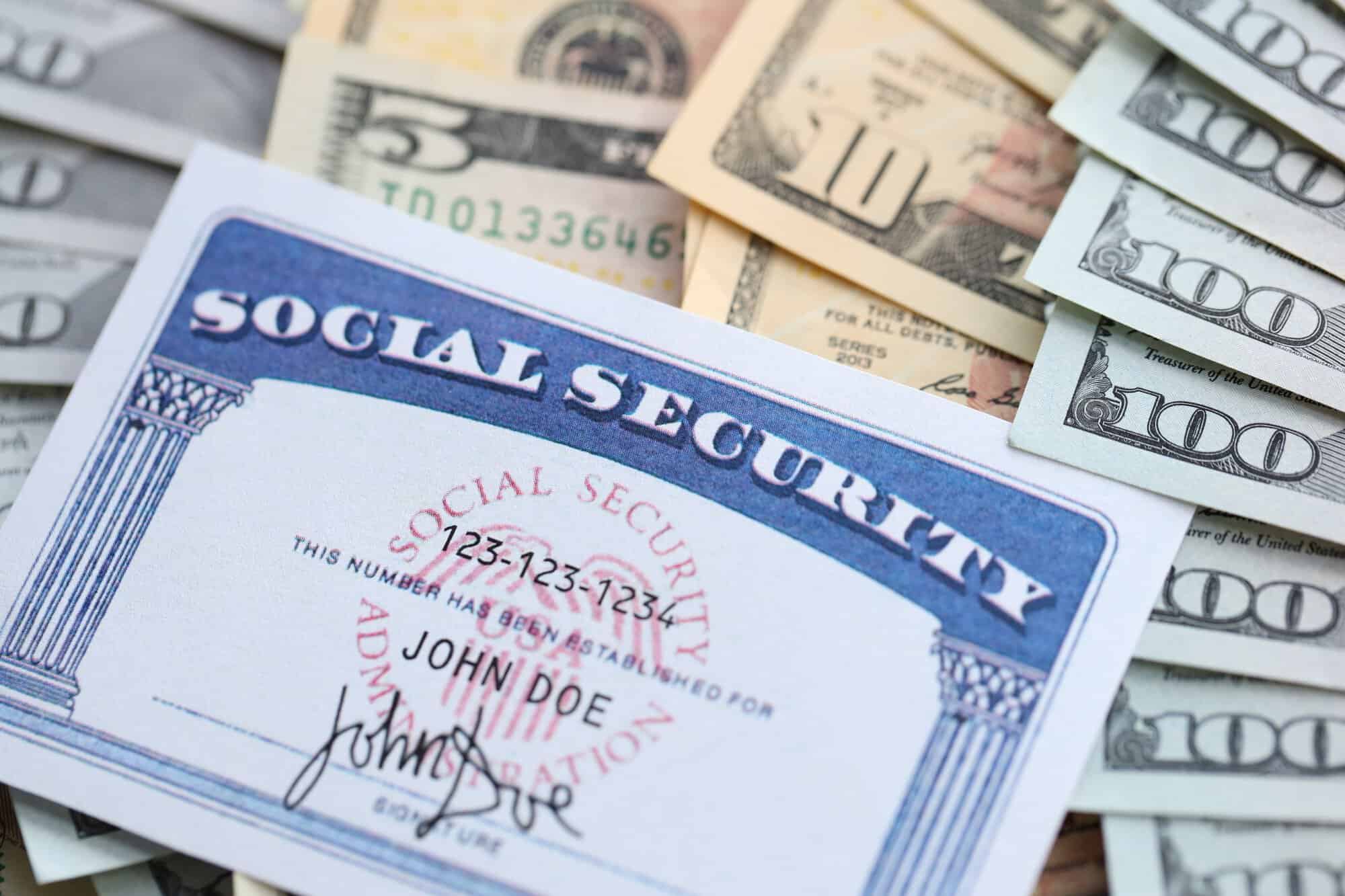
An SSN is a Social Security number issued to US citizens and people authorized to work in the United States. An ITIN is a tax processing number for people who need to file taxes but are not eligible for an SSN. Both are used for tax and identity purposes. Here is how they differ.
A guarantor is a person who agrees to take responsibility for a payment if someone else cannot make it. Guarantors are common for rental leases, loans, and some accounts, especially for people who are new to a country or building a financial history. Here is what a guarantor does and what it means to be one.
Nationality and citizenship are closely related but not identical. Nationality is your membership in a nation, often tied to where you were born or your heritage. Citizenship is a legal status that grants specific rights and duties within a country. Here is how the two differ and why it matters.